







Valves / Specialty Valves
Slide Valves – Control, Regulating & Shut-Off Valves for Demanding Applications
STASTO slide valves reliably control, regulate and shut off neutral to highly aggressive media where conventional seat valves reach their limits – from −60 °C to +350 °C, at high differential pressures and in a compact wafer-style design. Whether high-temperature processes, cryogenic applications, tyre industry or chemical engineering: we stock the complete series SG01 to SG17 – as hand valves, shut-off valves, pneumatic or electric control valves and as pressure regulators.
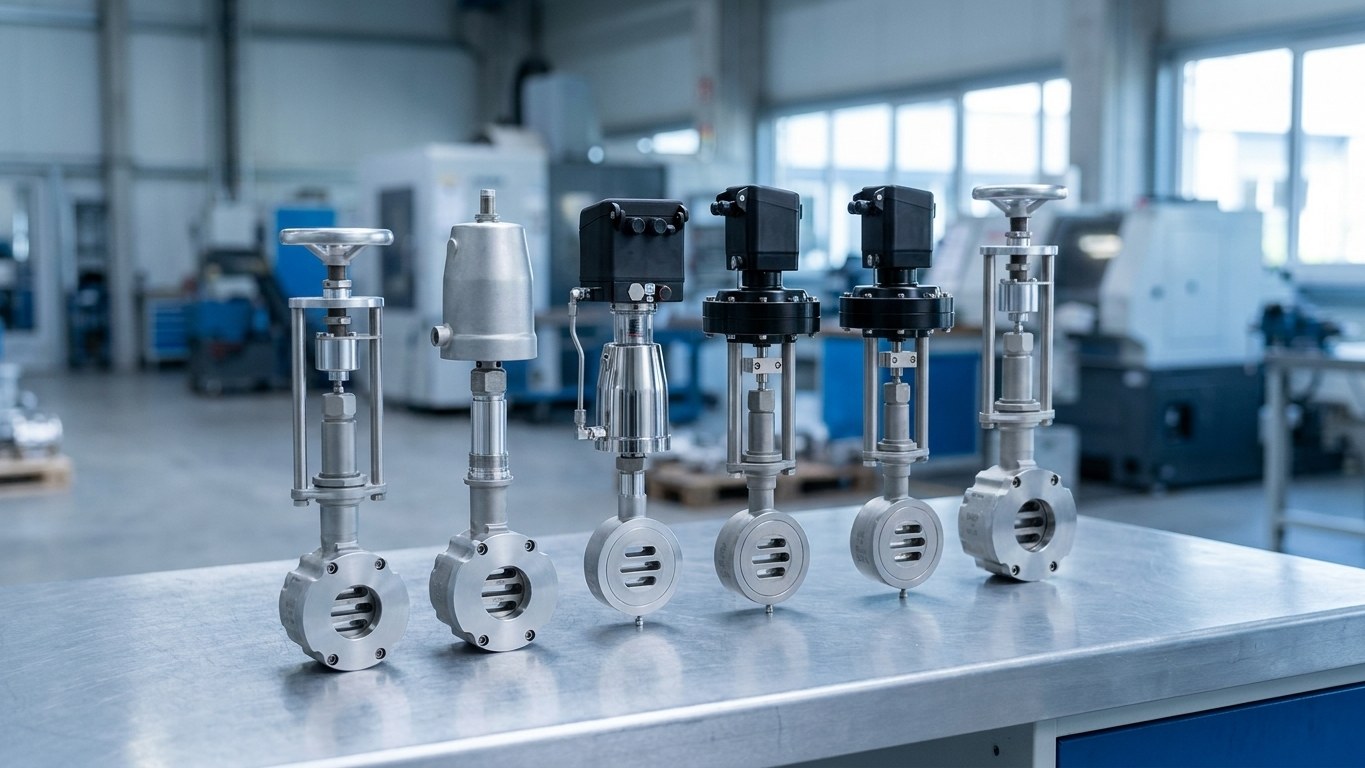
GS1 Series in Wafer-Style Design
Why STASTO
Why sliding gate valves from STASTO
Robust valve engineering, a wide range of actuator variants and support from application engineers – for precise control and reliable shut-off in demanding processes.
Made in Europe
Robust valve technology from European manufacturing – for short supply chains and consistent quality.
High and low temperature
Fluid temperatures from −60 °C to +350 °C in a single design (electric series SG08 up to +230 °C).
Proven sliding gate principle
Very short stroke for fast switching times, high flow capacity and high Kv values at low weight.
Wide Range of Actuator Options
Handwheel, pneumatic piston or diaphragm actuator, electric motor actuator – plus self-acting pressure regulator.
Operating principle
How a Sliding Disc Valve Works
In a sliding disc valve, two sealing discs – one stationary and one movable – slide flat against each other. The flow cross-section is opened or closed by the overlapping port openings of the two discs. The travel distance is very short, because only the movable disc is shifted laterally across the flow path, rather than driving a cone against a seat.
Advantages over Seat Valves
- Low actuating forces
- Compact actuators are sufficient, even at high differential pressures.
- Fast switching times
- Short response and switching times due to the small stroke.
- High kvs values
- High flow values with compact wafer-style design and low weight.
- Selectable flow characteristic
- Linear or equal-percentage characteristic – for precise control or defined shut-off.
Design & Materials
- Wafer-style design
- Compact and lightweight – saves installation space and simplifies installation and maintenance.
- Materials
- Carbon steel or stainless steel 1.4408 / 1.4581 for neutral to highly aggressive media.
- Pressure ratings
- Standard PN16/40 (series GS1), higher ratings up to PN100 / ANSI600 via the GS3 series.
- Options
- Metal bellows seal, position feedback, limit switches, integrated i/p positioner.
Actuator types
Actuator Variants Compared
From manual handwheel through pneumatic piston and diaphragm actuators to electric motor actuators – the right actuator type depends on function, auxiliary energy availability and temperature range.
| Handwheel | Pneumatic piston | Pneumatic diaphragm | Electric motor | |
|---|---|---|---|---|
| Series | SG01/SG02 | SG05/SG06 | SG07/SG09 | SG08 |
| Function | Shut-off & control (manual) | Positioning/control | Positioning/control | Positioning/control |
| Auxiliary energy | None | Compressed air | Compressed air | Electric (no compressed air supply needed) |
| Temperature range | −60…+350 °C | −60…+350 °C | −60…+350 °C | −60…+230 °C |
| Nominal size | DN15…DN150 | DN15…DN150 | DN15…DN250 (GS3) | DN15…DN125 |
| Typical for | Manual without auxiliary energy | Fast response times | High differential pressures | Systems without compressed air |
Designs & Series
Slide Gate Valves at a Glance
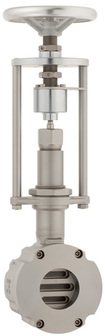
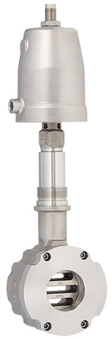
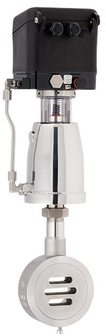
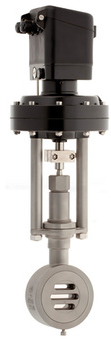
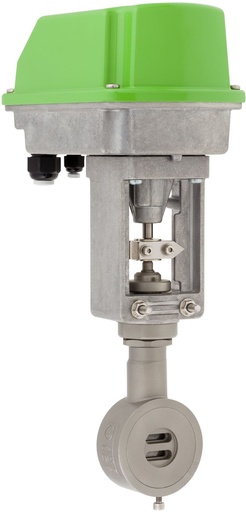
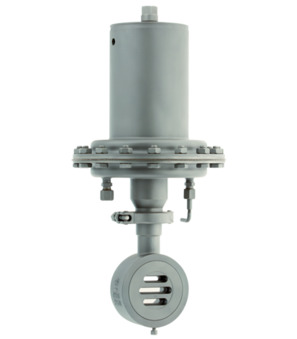
All series of the GS1 line in wafer-style design, in carbon steel or stainless steel (1.4408 / 1.4581), standard pressure rating PN16/40. We are happy to assist you in compiling the type code for ordering.
Application Areas
Where slide gate valves excel
From tyre manufacturing to high-temperature processes and chemical applications – slide gate valves prove their strengths with demanding media and rapid switching cycles.
Tyre industry
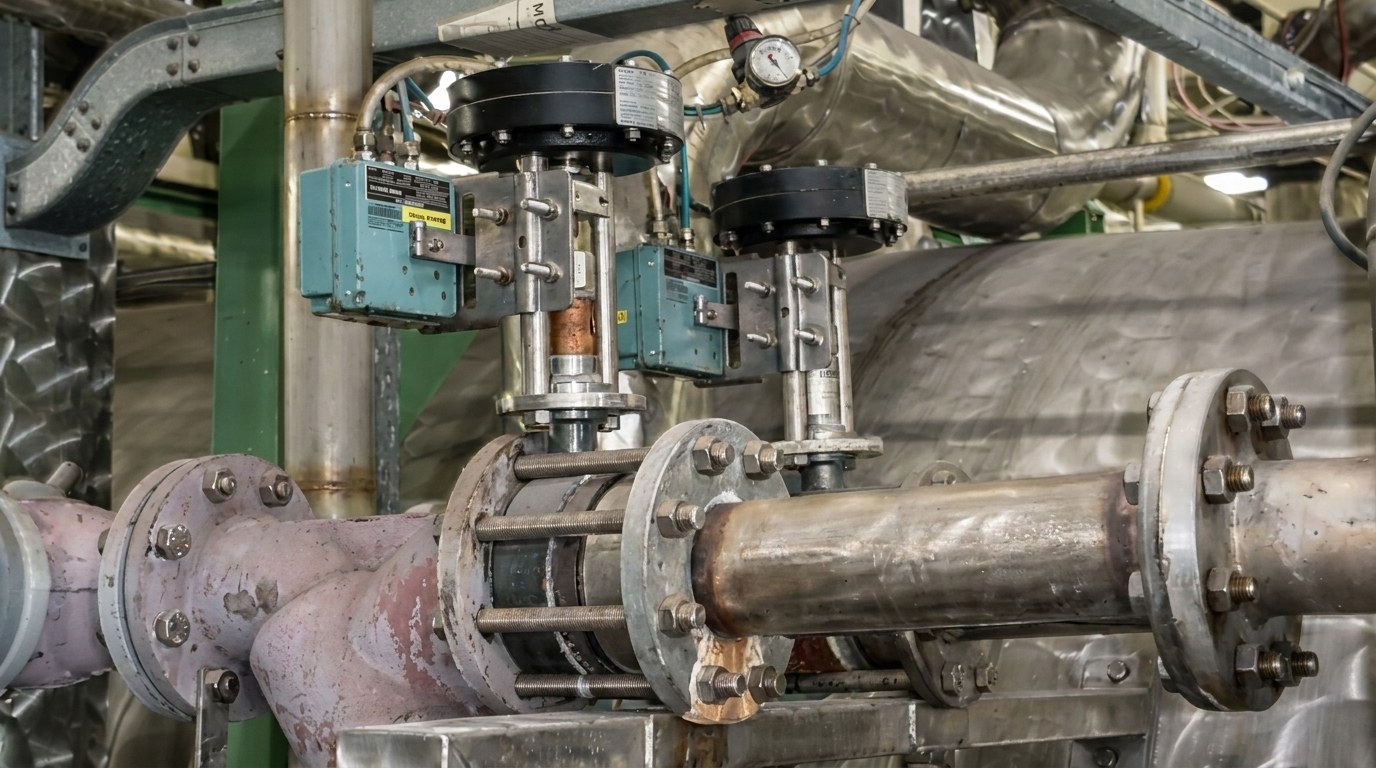
Precisely and rapidly switching heating and vulcanisation media such as superheated steam, hot water and nitrogen – up to +350 °C in continuous operation. Compact design for heating presses and media distribution systems.

High-Temperature Processes
Up to +350 °C (SG01–SG07, SG09) for hot media, steam and thermal oil circuits. Optional metal bellows seal increases safety with critical media.

Low-Temperature Applications
Down to −60 °C for cold process media and cryogenic circuits where standard valves become brittle.
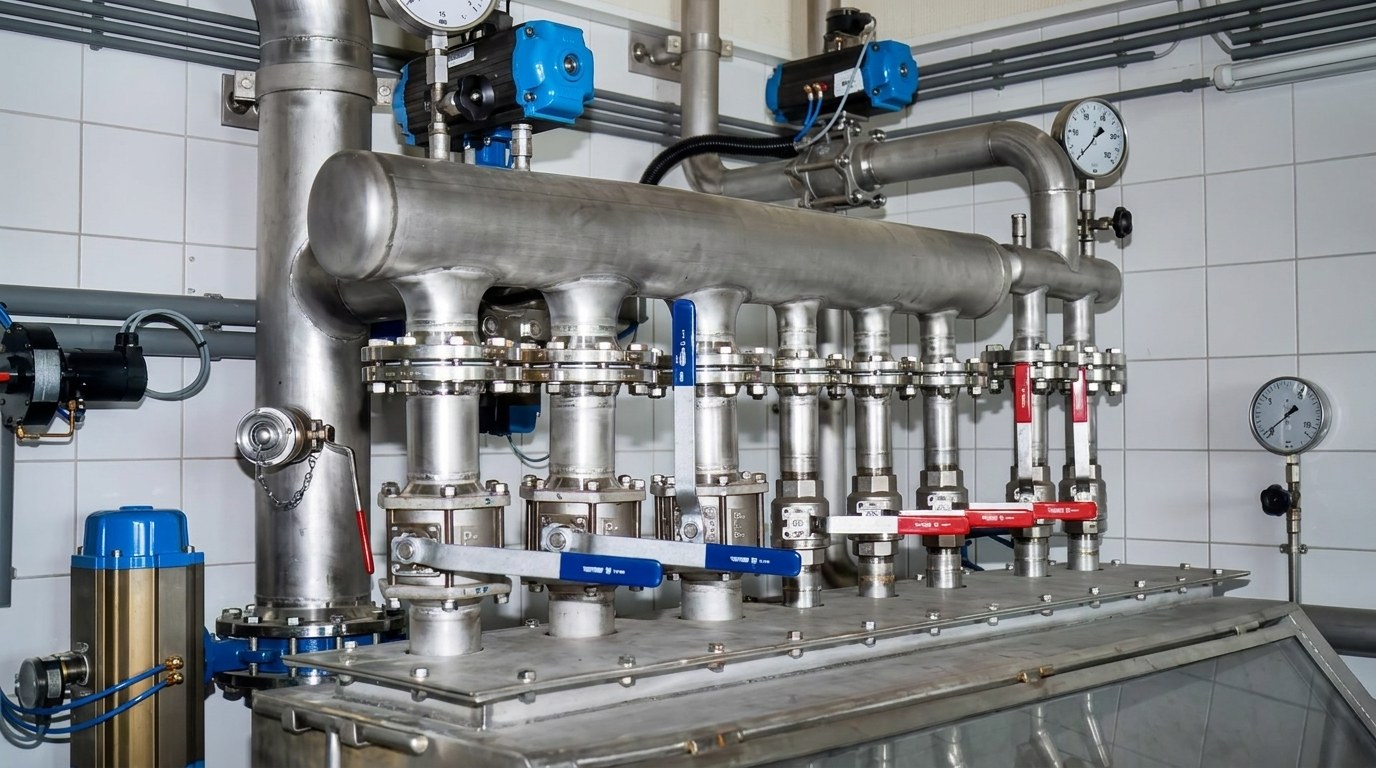
Chemical & Process Engineering
Stainless steel (1.4408 / 1.4581) for switching and controlling neutral to highly aggressive media. High kvs values at low weight.
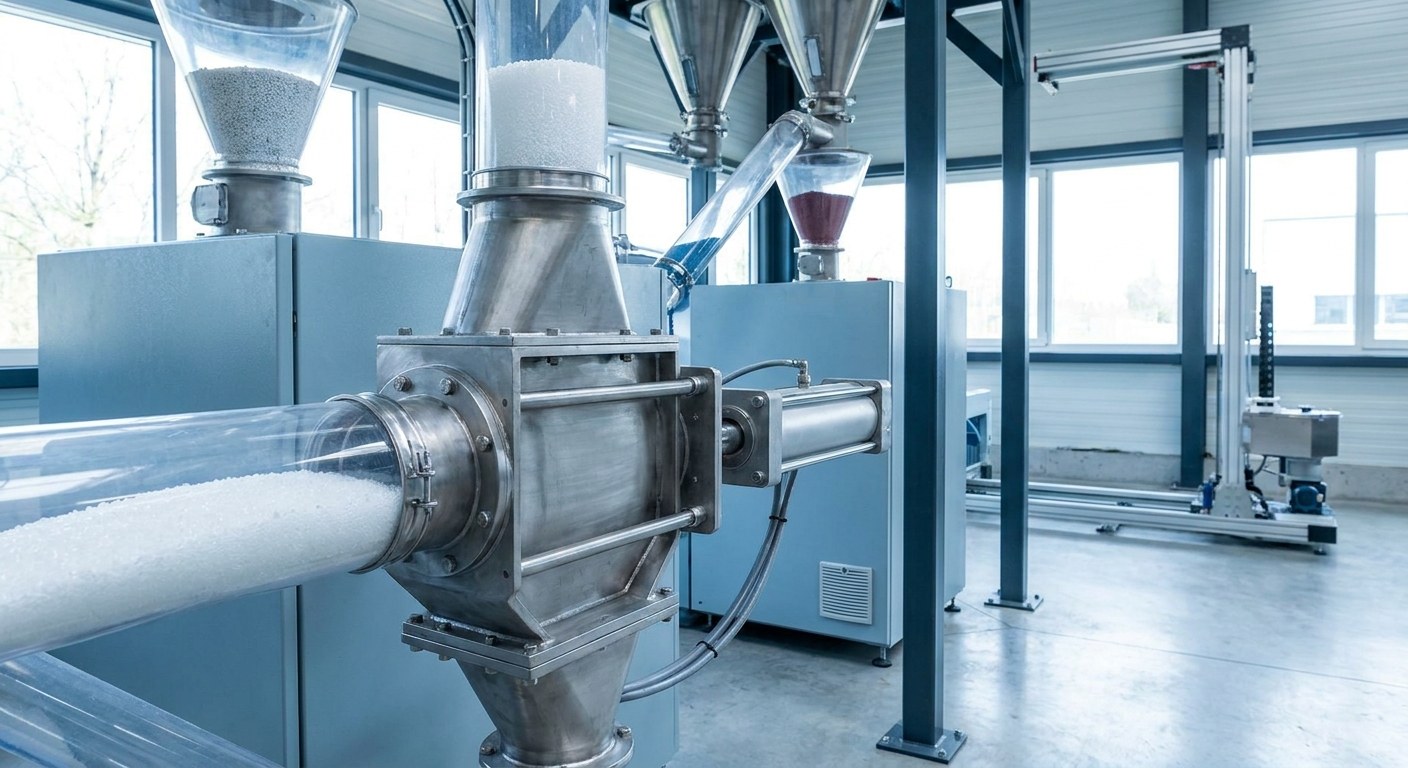
Plastics & Granulates
Robust gate valve technology with short stroke for processes involving demanding media and rapid switching cycles in bulk solids handling.

Plant & Mechanical Engineering
Compact wafer-style design saves installation space and weight, simplifying integration into pipelines and media distribution systems.
Selection Guide
Finding the Right Slide Gate Valve
Four steps to the right series – or send us your medium, temperature, pressure and function and we will recommend the right version.
Clarify Temperature & Function
High temperature up to +350 °C → SG01–SG07 or SG09, electric (SG08) up to +230 °C. Shut-off only → SG03/SG04, control/modulating → SG05–SG09, manual → SG01/SG02, constant pressure → SG17.
Actuator, Pressure Rating & Nominal Size
Choose handwheel, pneumatic piston or diaphragm actuator, or electric motor actuator. Standard PN16/40, DN15…DN150 (GS1); higher pressures up to PN100/ANSI and nominal sizes up to DN250 via SG09.
Material & Type Key
Carbon steel or stainless steel, linear or equal-percentage characteristic, optional metal bellows seal, position feedback or positioner. We will configure the type key together with you.
Logistics & Service
Procurement, Configuration and Consultation
We support you from selection and configuration to datasheet-based procurement from European manufacturing.

Short Supply Chains in Europe
Procurement from European manufacturing (Made in Europe) for reliable quality.
Technical Consultation
Application engineers assist with selection, sizing and type code configuration.
Datasheet-Based Configuration
We derive the correct variant from nominal size, pressure rating, material, actuator and options.
Enquiry Instead of Guesswork
The type code must be specified as per the datasheet – we review your configuration together.
FAQ
Frequently asked questions about sliding disc valves
Answers on function, temperature range, actuator types and selection.
What is a sliding disc valve?
A sliding disc valve controls or shuts off flow using two flat sealing discs that slide against each other. The very short stroke results in fast switching times, high kvs values and low weight in a compact wafer-style design.
What is the difference between a control valve and a shut-off valve?
"Control valve" is the general term for a valve with actuator that moves the flow to any intermediate position (modulating); a "shut-off valve" only switches OPEN/CLOSED. STASTO offers manual control valves (SG01/SG02), shut-off valves (SG03/SG04) and actuated control valves (SG05–SG09).
Are sliding disc valves suitable for high temperatures?
Yes – the manual and pneumatic series (SG01–SG07, SG09) are suitable up to +350 °C. An optional metal bellows seal increases safety for critical media.
Are sliding disc valves also available for low temperatures?
Yes, down to −60 °C – for cryogenic processes where many standard valves become brittle and fail.
What drive types are available?
Handwheel (SG01/SG02), pneumatic piston actuator (SG05/SG06), pneumatic diaphragm actuator (SG07/SG09) and electric motor actuator (SG08). The pressure regulator SG17 operates self-actuated without auxiliary energy.
Why are slide valves used in the tyre industry?
Because they switch and control hot media such as steam and hot water up to +350 °C quickly and with high switching capacity. Short switching times, compact design and low weight are ideally suited to tyre presses and media distribution systems.
Pneumatic or electric – which is better?
Pneumatic actuators (SG05–SG07, SG09) are compact and fast, ideal when compressed air is available. Electric actuators (SG08) are the choice without a compressed air network; their temperature range extends up to +230 °C.
What nominal sizes and pressure ratings are available?
Standard sizes are DN15…DN150 at PN16/40 (series GS1). For higher pressures (up to PN100 / ANSI600) and nominal sizes up to DN250, the SG09 series (series GS3) is available.
Related Categories
Matching Valves & Components
Complementary speciality valves for your process and plant engineering applications.
Configure now
Configure the right sliding disc valve
Tell us the medium, temperature, pressure, function and actuator preference – our application engineers will recommend the right series and prepare your quote with the correct type code.