







Tube Fittings to Standard
Compression fittings that hold tight under pressure.
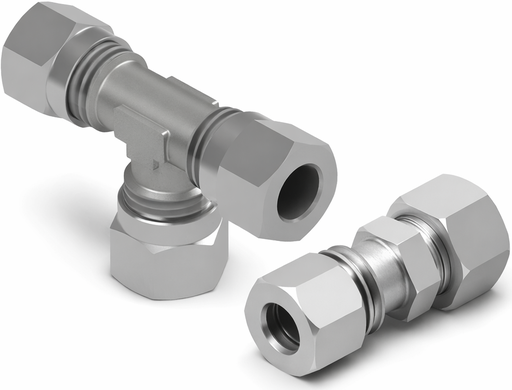
Standard 24° compression fittings to ISO 8434-1 / DIN 2353 – available in zinc-plated steel, stainless steel 1.4571, and brass, high-pressure rated and reusable. Many items in stock.
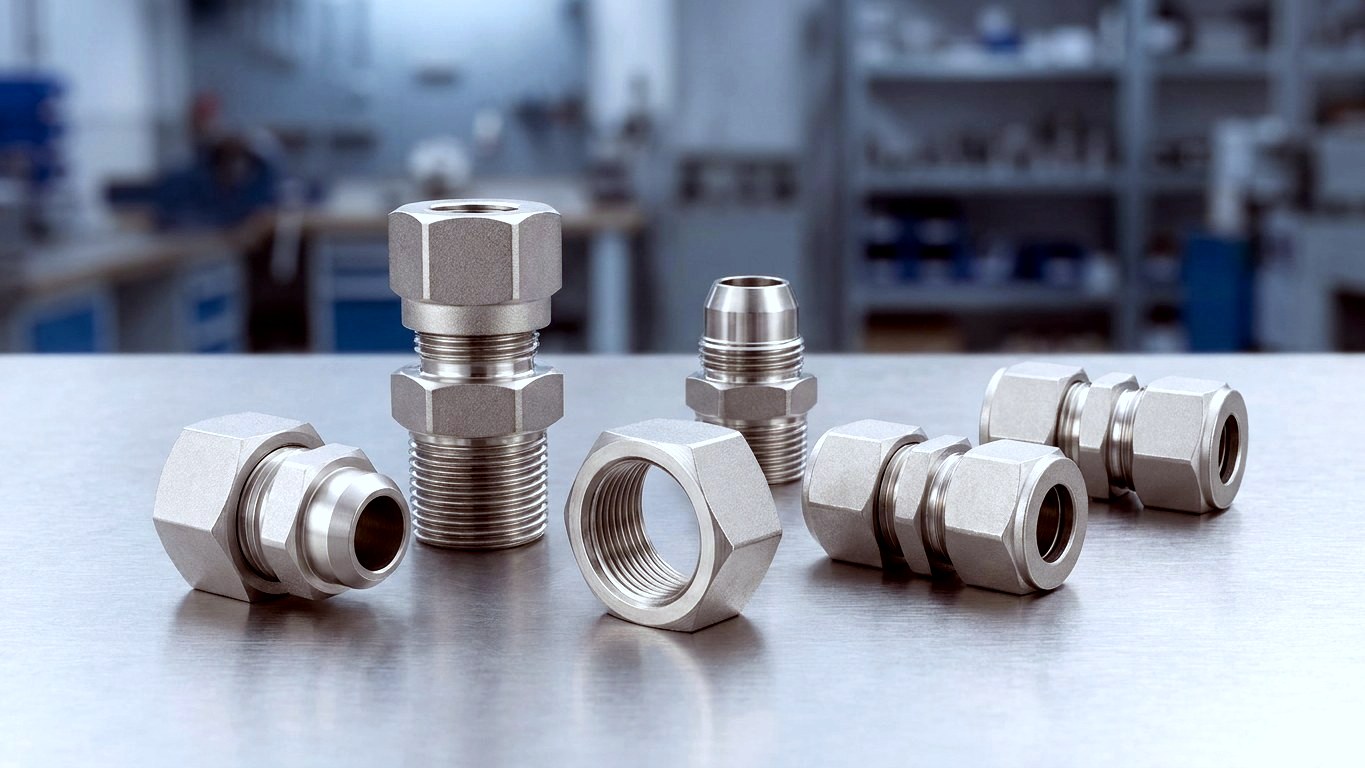
24° Compression Ring to ISO 8434-1
Why STASTO
Leak-free connections are no coincidence.
Cutting ring fittings connect tubing by form and force closure – when standard, material and design match. At STASTO you get all three from a single source.
Standard, not compromise
To ISO 8434-1 / DIN 2353, with 24° cone and defined cutting ring technology for reproducible sealing performance.
Three materials, one supplier
Zinc-plated steel, stainless steel 1.4571 and nickel-plated brass – freely combinable from a single source.
High-pressure rated & reusable
Secure connection at high pressures, repeatedly releasable and reassemblable.
From stock, not just from the catalogue
A large proportion of series and configurations are in stock and available for fast delivery.
Understanding the basics
How to Select the Right Compression Fitting
Three decisions lead to the right fitting: material by media, body type by routing, and series by pressure and tube outside diameter.
Materials Overview
- Steel zinc-plated
- Robust standard design for hydraulics and mechanical engineering.
- Stainless steel 1.4571
- Corrosion-resistant for chemical, food and aggressive media applications.
- Brass nickel-plated
- For compressed air and neutral media with good corrosion resistance.
Types of Fittings
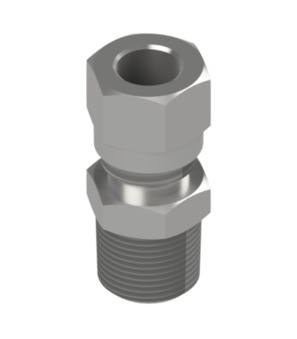
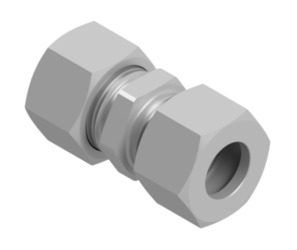
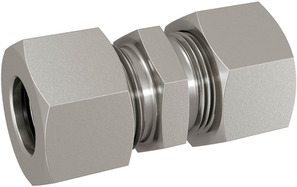
- Straight fitting
- Direct tube-to-tube or tube-to-port connection.
- Elbow & Tee
- Direction changes and branches in pipe routing.
- Cross
- Four-way distribution for complex plumbing configurations.
- Stud / Bulkhead fitting
- Connection to threaded bores and equipment ports.
Series & Standards
- Series L
- Light series for medium pressure ranges.
- Series S
- Heavy series for high pressure ranges.
- ISO 8434-1 / DIN 2353
- Standard basis for 24° cutting ring fittings and their dimensions.
- Pre-assembly
- Pre-swaging the cutting ring before final assembly for reliable sealing.
Material comparison
Which material for which medium?
The choice of material determines resistance and application range. An overview for guidance.
| Zinc-plated steel | Stainless steel 1.4571 | Nickel-plated brass | |
|---|---|---|---|
| Typical application | Hydraulics, mechanical engineering | Chemical, food & beverage | Compressed air, neutral media |
| Corrosion resistance | Standard | Very high | Good |
| Aggressive media | Limited | Yes | Limited |
| High pressure | Yes (Series S) | Yes (Series S) | Depending on variant |
| Standard | ISO 8434-1 / DIN 2353 | ISO 8434-1 / DIN 2353 | Cutting ring system |
Range
Find your series.
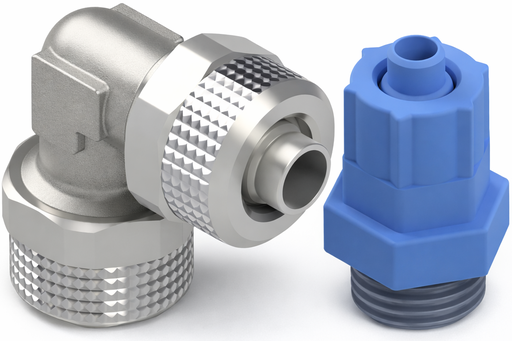
From a comprehensive range to the right material – select the category that suits your application directly.
Applications
Wherever a leak-tight connection is required.
Compression fittings provide secure pipe connections – across many industries and media.
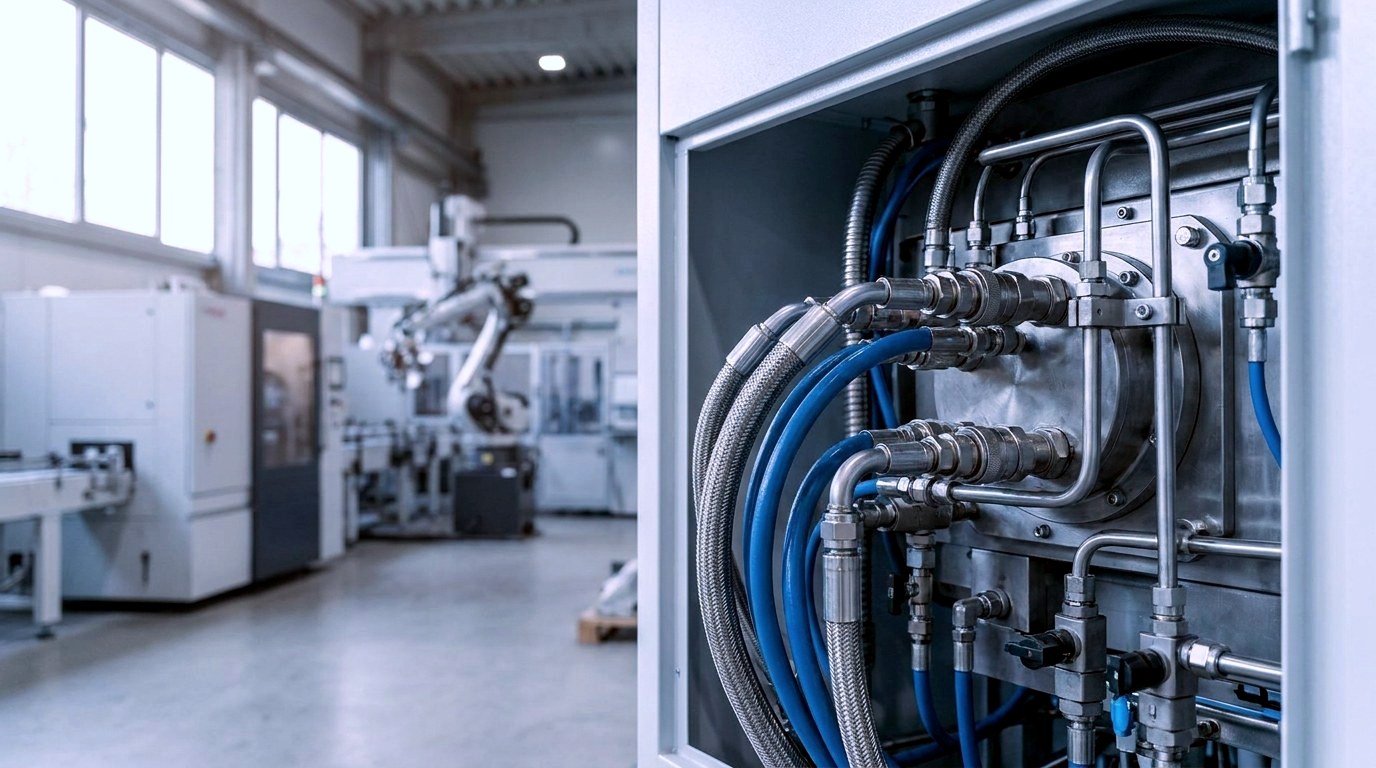
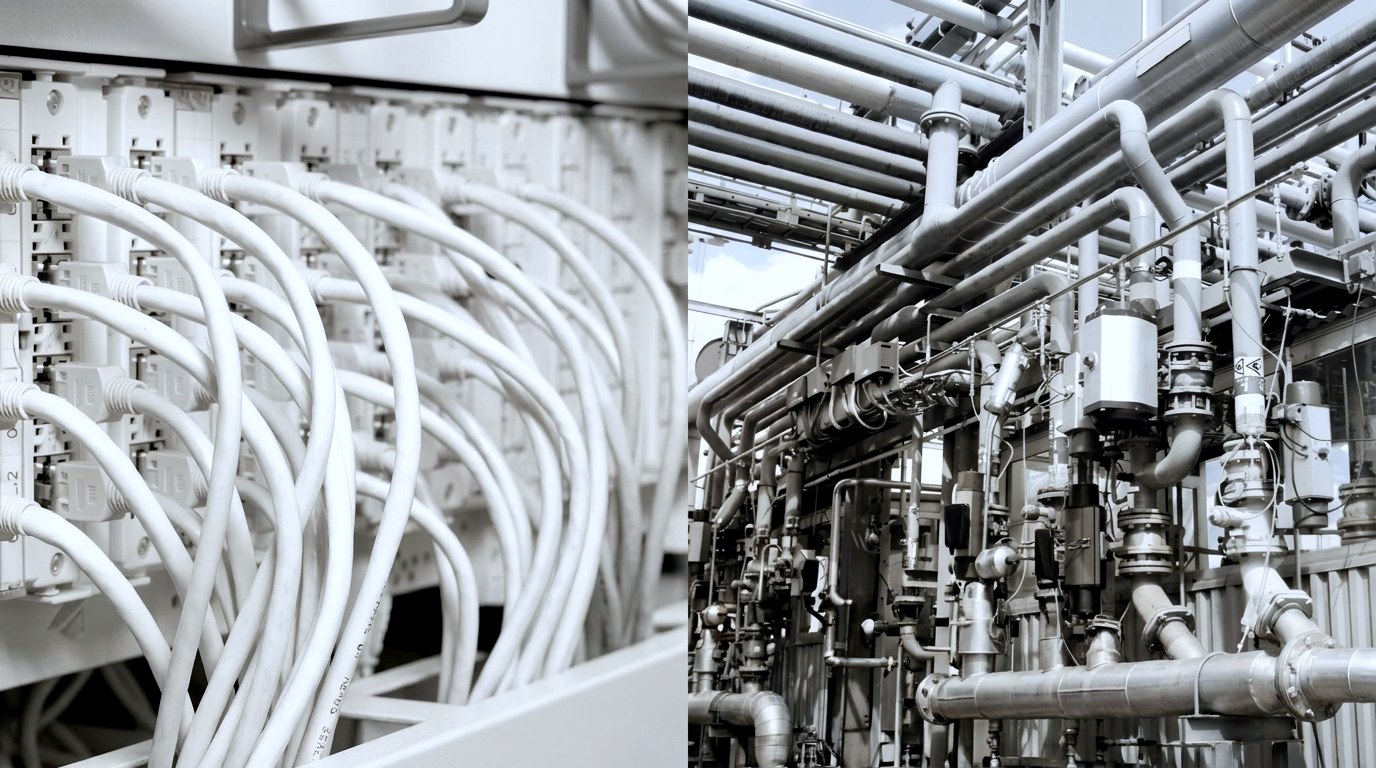
Mechanical & plant engineering
Reliable and permanent connection of hydraulic and fluid lines.
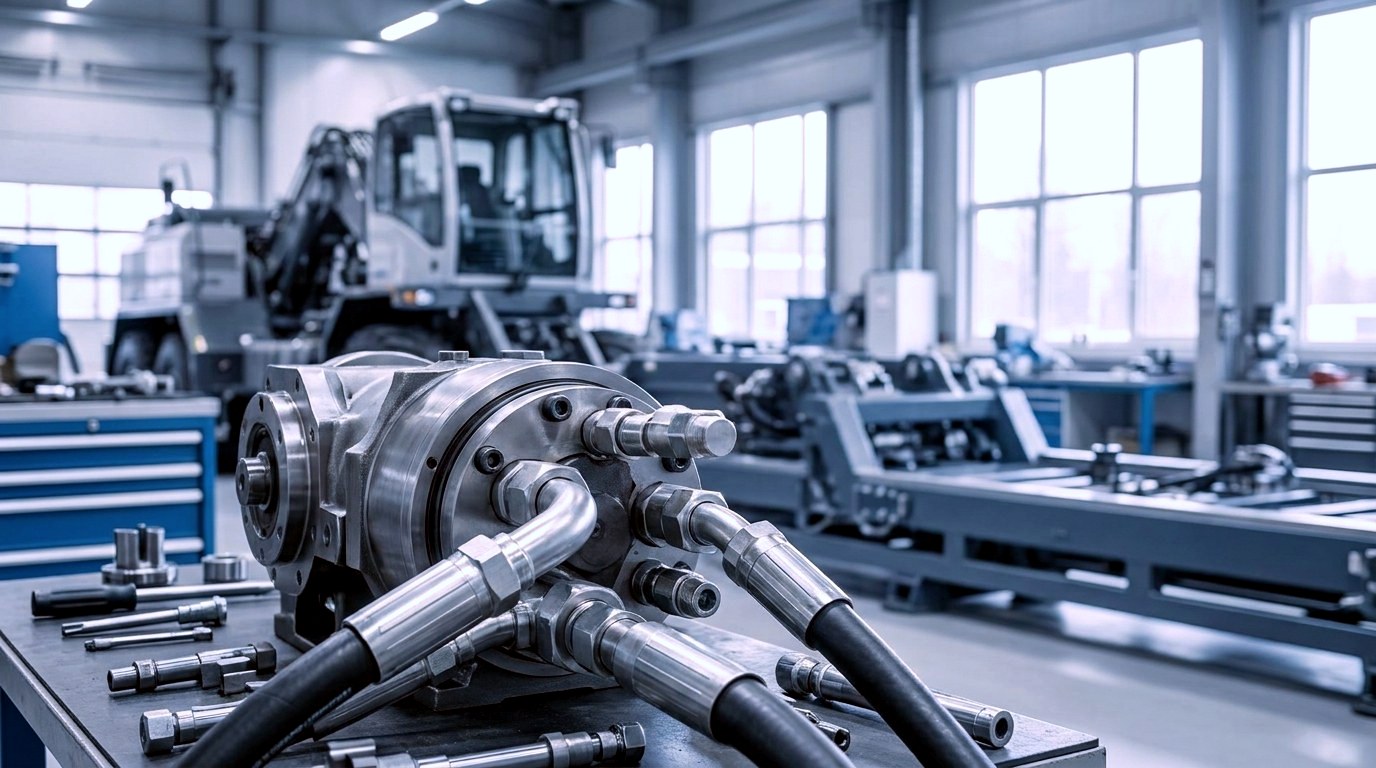
Process Engineering
Leak-tight execution of dosing, measurement and process lines.
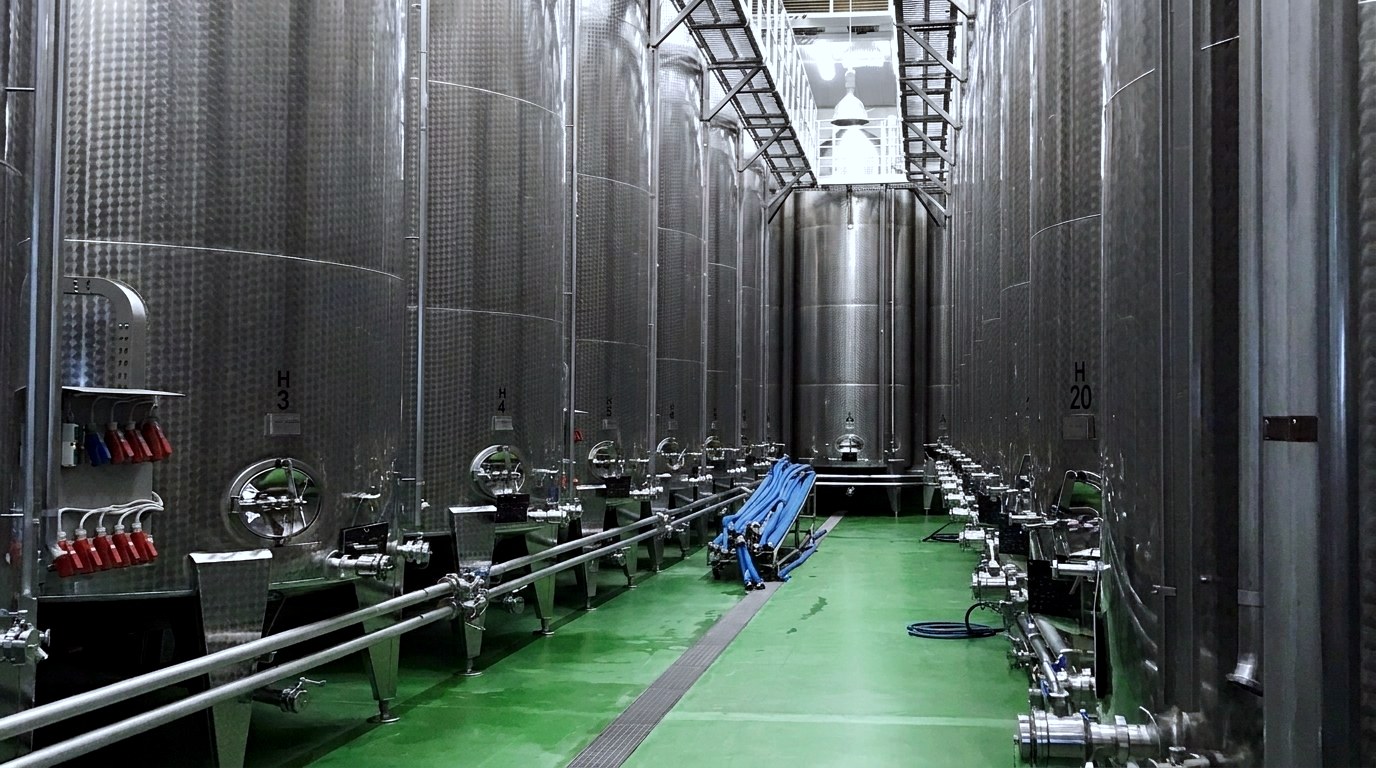
Vehicle & Mobile Hydraulics
High-pressure-rated, vibration-resistant connections.
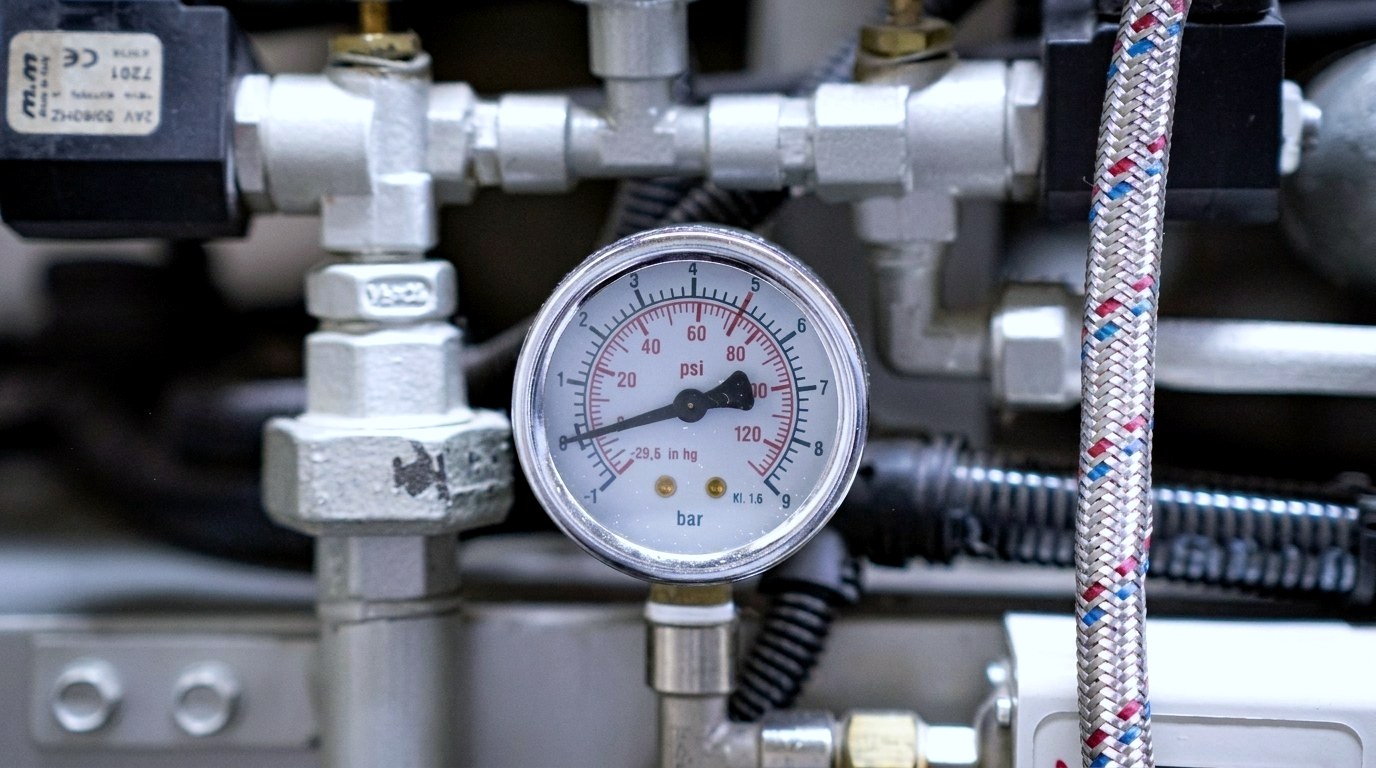
Food & Hygiene
Stainless steel 1.4571 for hygienic, corrosion-resistant pipelines.
Compressed Air Systems
Leak-free connections for compressed air and control lines.

Chemical & Process
Resistant materials for aggressive media.
How to proceed
Three steps to a leak-free connection.
From requirement to delivery – a structured path to the right compression fitting.
Define requirements
Determine medium, pressure, tube outside diameter/wall thickness (series L/S) and temperature.
Choose material & configuration
Select material – steel, stainless steel or brass – and configuration (straight, elbow, tee, cross, male, female).
Deliver from stock
Stocked series delivered quickly; special configurations available on request.
Frequently Asked Questions
Need a connection that holds?
Key questions about standards, materials, series and assembly of cutting ring fittings.
What do ISO 8434-1 / DIN 2353 and 24° cutting ring mean?
ISO 8434-1 (formerly DIN 2353) is the standard for 24° cutting ring fittings, defining dimensions and the functional principle. When tightened, a cutting ring bites into the tube surface, creating a form- and force-locked, metal-to-metal seal at the 24° cone.
Which material is suitable for which medium?
Zinc-plated steel for hydraulics and mechanical engineering, stainless steel 1.4571 for chemical, food and aggressive media, nickel-plated brass for compressed air and neutral media. The key factors are the medium, corrosion exposure and operating pressure.
Series L or S – which one and when?
Series L (light series) covers medium pressure ranges, Series S (heavy series) is designed for high pressures. The choice depends on operating pressure, tube outer diameter and wall thickness.
Are cutting ring fittings reusable?
Yes, cutting ring fittings can be disconnected and reassembled multiple times. After pre-assembly – where the cutting ring bites into the tube – the connection is tightened to a defined torque during final assembly; loosening and retightening is possible.
What is the difference between compression fitting, push-in fitting, and threaded fitting?
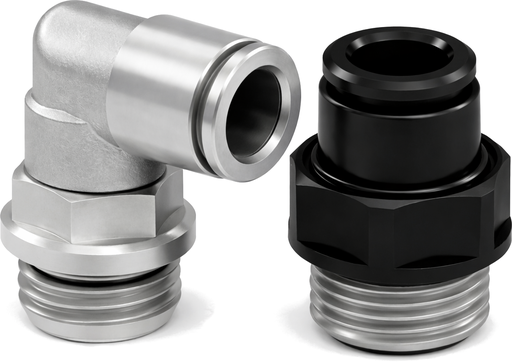
The cutting ring fitting connects tubes via a ring that bites into the surface per ISO 8434-1 and is rated for high pressure. Push-in fittings are quick-connect solutions for pneumatics, while compression or threaded fittings use a sealing cone or seal-based design.
Related products
Related Fitting Systems
Complementary connection technologies and material variants for your project.
Shop Now
Ready for a connection that stays leak-free under pressure?
Browse our range or get expert advice on selection – we'll find the right cutting ring fitting for your application.